Separate stock decisions from the building cleanup
A warehouse loss can reach packaging, racking, floor joints, office areas, and electrical equipment. The affected inventory and the structure may require different evaluations. Keep personnel away from unsafe areas and document what is visible without moving unstable loads.
Call with the Renton facility address, approximate affected area if known, and operating restrictions. Confirm that the independent provider can handle the property, access requirements, and proposed scope before arranging work.
Keep inventory records tied to locations
Identify the bays, pallets, shelves, or storage positions affected before stock moves. Damp packaging can make later identification difficult and may obscure the condition of the product inside. Designate who can approve relocation, specialist evaluation, quarantine, or disposal.
The building contractor should not be assumed to decide whether a product remains suitable for sale, shipment, or use. That may require your quality team, manufacturer, insurer, or another specialist. Clear location and movement records help preserve the information needed for those decisions while the physical cleanup proceeds.
Give the crew the right Renton access instructions
Specify the dock, gate, or personnel entrance that leads to the affected area. Mention security procedures, vehicle movements, and any restricted storage. The street address alone may not identify the practical route for assessment or equipment.
If water came through roofing or an exterior opening during rain, describe whether entry continues. Source repair, building drying, stock disposition, and equipment inspection should each have a named decision-maker.
Separate handling routes from cleanup zones
Material handling equipment, delivery vehicles, restoration machines, and staff may need the same aisles or loading space. Agree on routes and restricted areas so cleanup does not block necessary exits or encourage traffic through wet or contaminated sections.
A concrete floor is not automatically safe because the visible water looks shallow. Utilities, footing, stored-material stability, and the water source can all matter. Facility management should evaluate operational restrictions with the appropriate professionals instead of using the appearance of one dry aisle as a reopening decision.
Inspect the full building assembly
Warehouses can include finished offices, partitions, insulated sections, mezzanines, and other components beyond an open slab. A roof leak may reach overhead material and stock. Water entering at a doorway can travel into an adjoining office or enclosed storage area.
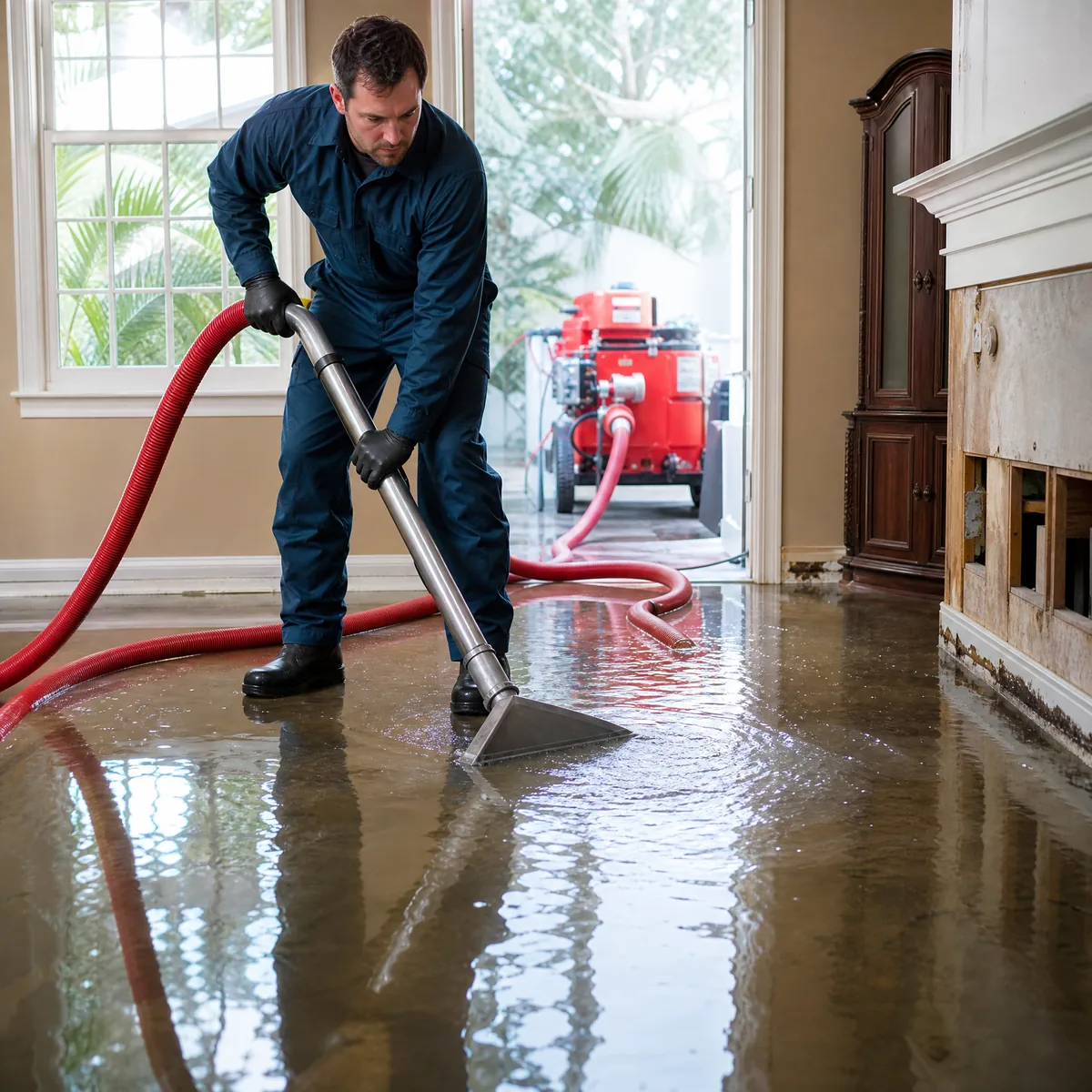
Ask the contractor to identify which components are affected and how concealed spaces will be checked. Source repair may need a roofer, plumber, or building-system specialist. The mitigation scope should reflect the material and contamination rather than treat every part of the facility as one uniform surface.
Confirm the provider's fit for specialized conditions
Renton has a substantial advanced-manufacturing presence, but a generic warehouse-cleanup service should not be assumed suitable for every industrial loss. Tell the provider about sensitive equipment, controlled environments, chemicals, restricted processes, and entry requirements. Those details can change the qualifications and specialists needed.
The provider should explain what it can perform and which parts fall outside its scope. Do not restart machinery or return affected stock to a process simply because nearby building materials are dry. Keep specialized equipment and product decisions with the relevant qualified personnel.
Plan extraction and drying around the facility
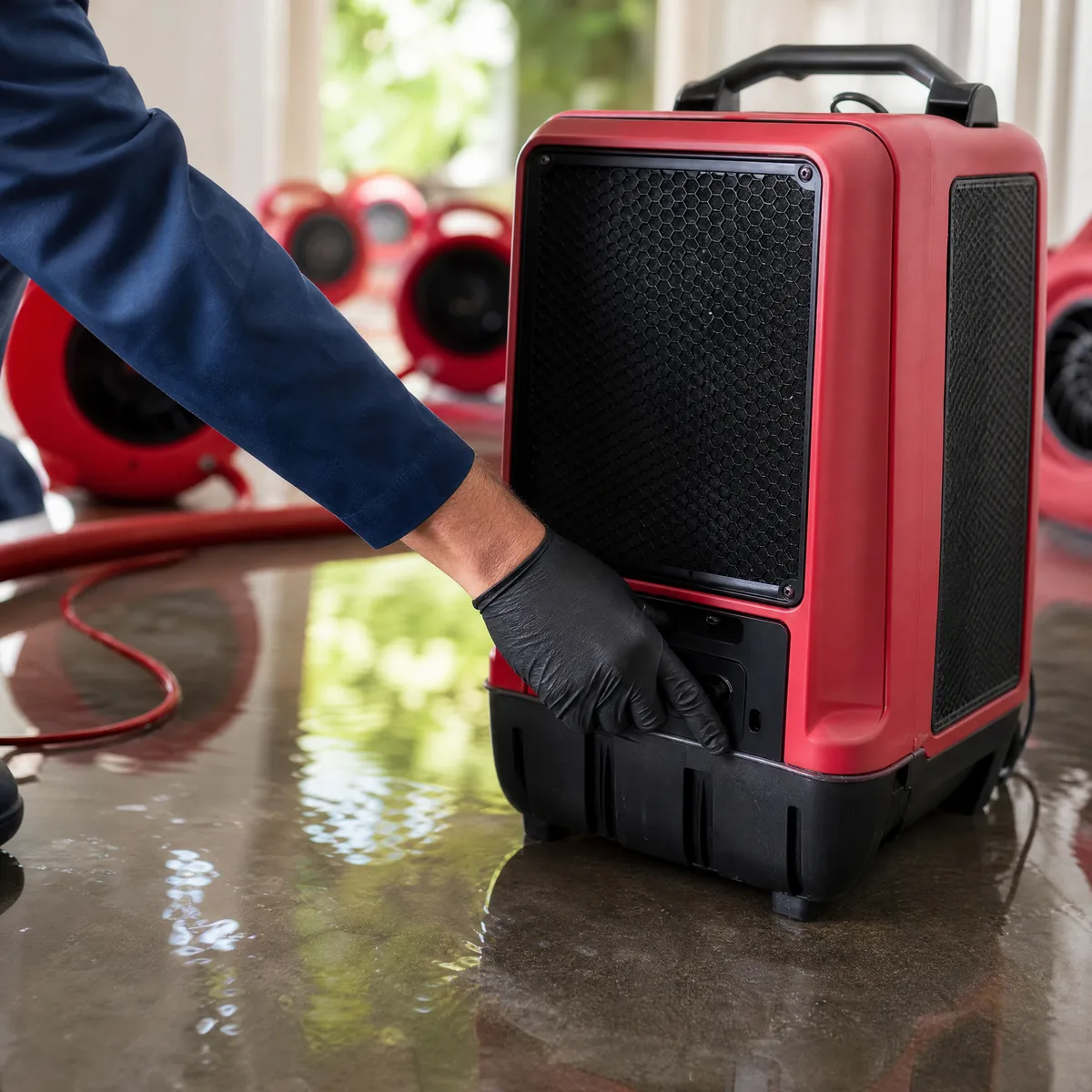
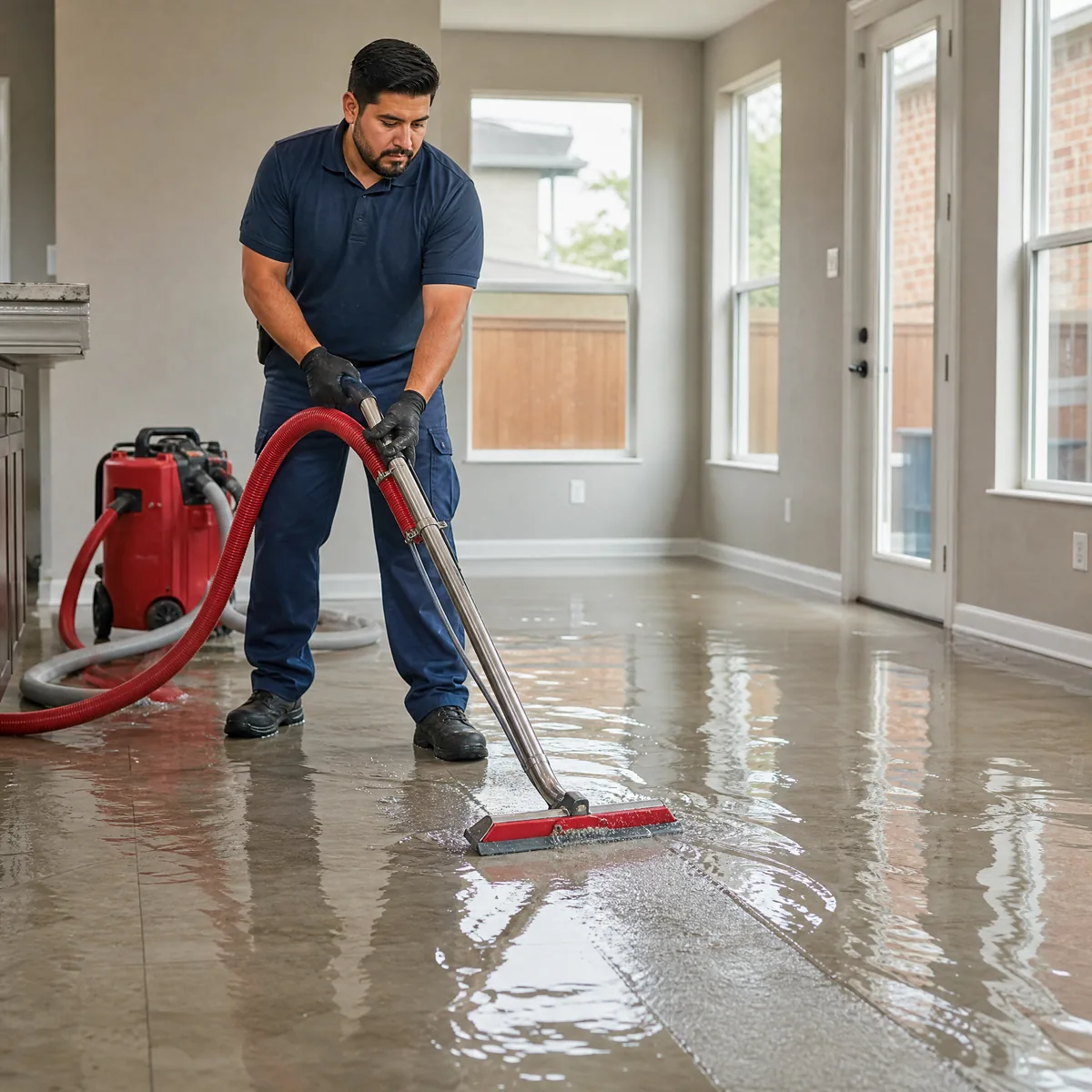
The extent of water, ceiling height, access, contamination, and materials influence the equipment setup. Ask how work zones will be established, what power or other services are required, and how progress will be monitored. Equipment delivery is only useful when the space and access are ready.
Coordinate loading windows, gates, security, escorts, and vehicle restrictions. Provide the exact entrance and on-site contact, especially at a larger Renton facility where the mailing address does not identify the usable service access. These details help the provider determine whether its available resources fit the job.
Keep mitigation distinct from business recovery costs
Water removal, material handling, cleaning, drying, and monitoring may be only part of the recovery. Rack evaluation, machinery service, electrical inspection, inventory disposition, and rebuilding may need separate providers. List those tasks and the party responsible for each.
Request an itemized scope and records of changes discovered during work. Retain source findings, photographs, disposal approvals, and completion information. Contact the insurer about applicable coverage and documentation. The restoration record explains the physical work and does not determine inventory valuation or interruption reimbursement.
Release areas based on their actual status
A staged return may be possible when access, utilities, and the necessary professional checks support it. Identify completed and restricted zones clearly. The operating team should understand remaining repairs, equipment limitations, and which inventory is still under evaluation.
Call (866) 552-5141 for warehouse water-damage help in Renton. Describe the facility and specialist requirements first so the independent provider can confirm fit and availability. See commercial restoration for overall coordination and structural drying for the remaining-material stage.
Warehouse water damage: common questions
Can shipments continue from an unaffected part of the building?
Can a general restoration provider handle a controlled production area?
Who decides whether exposed stock can be shipped?
Does the estimate include machine or rack inspection?
Help for your Renton address
See the Renton and nearby area guides for access details. Call with the full address to confirm provider coverage and current availability.